
 Image 1 of 5
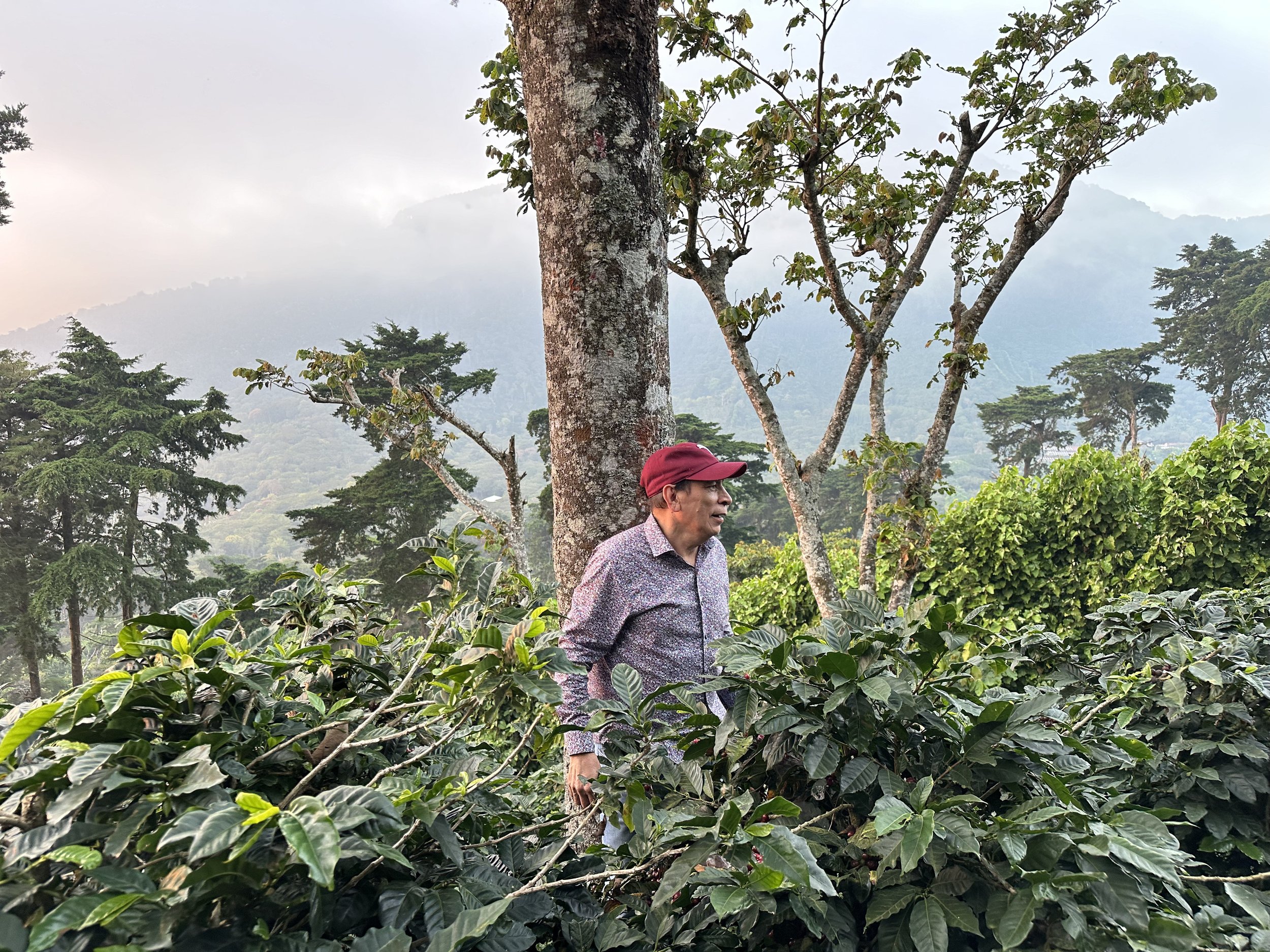 Image 2 of 5
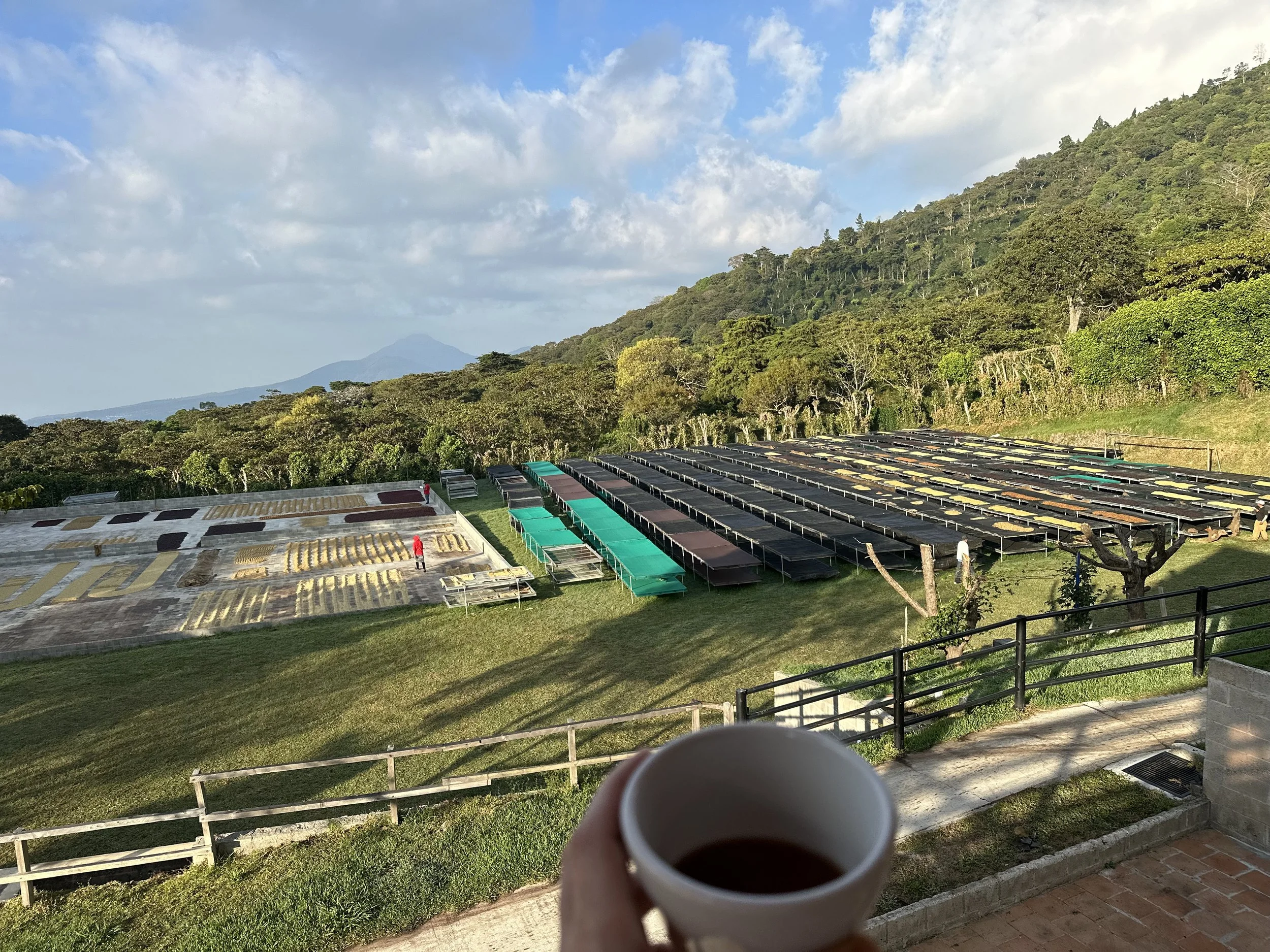 Image 3 of 5
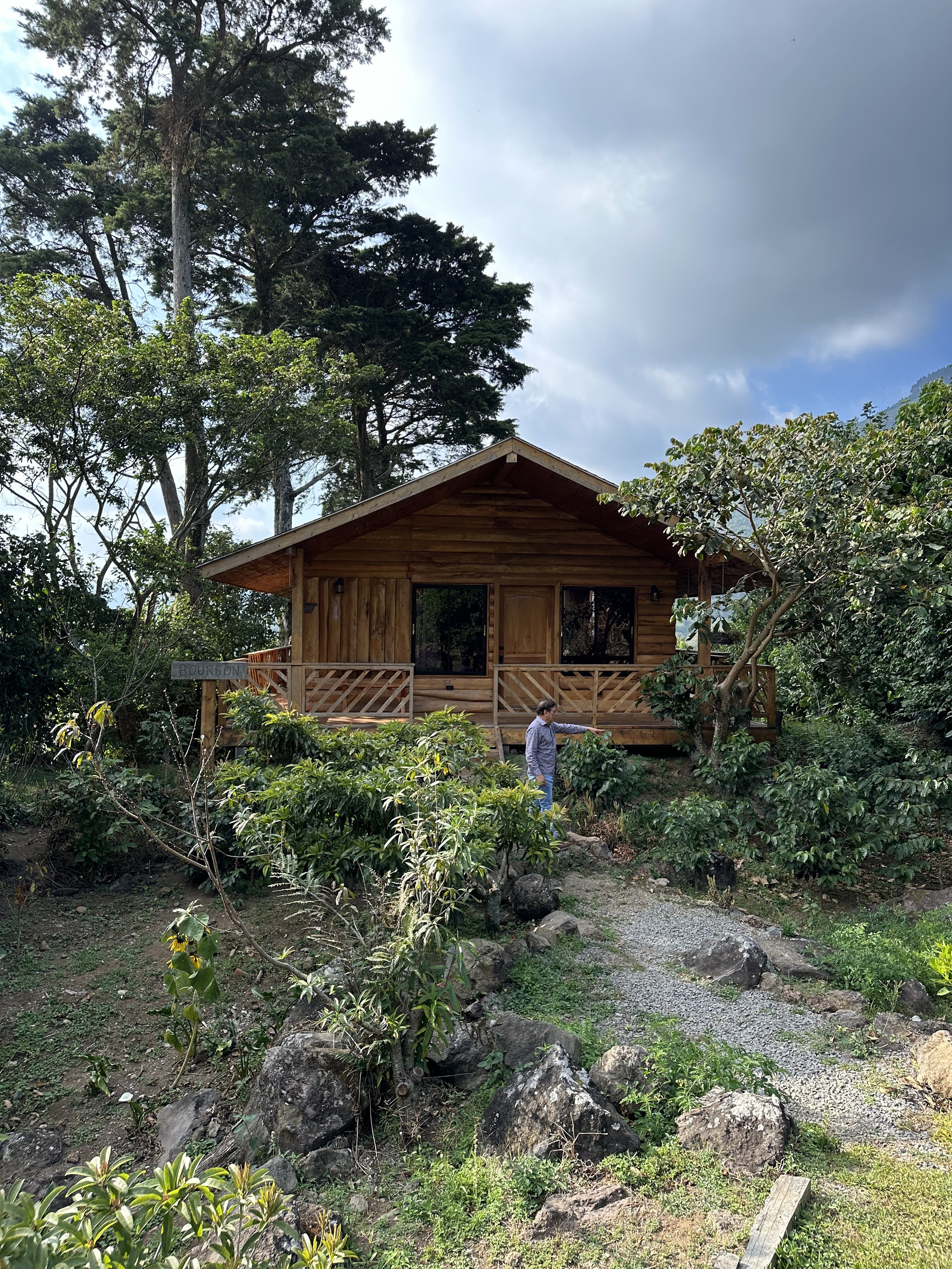 Image 4 of 5
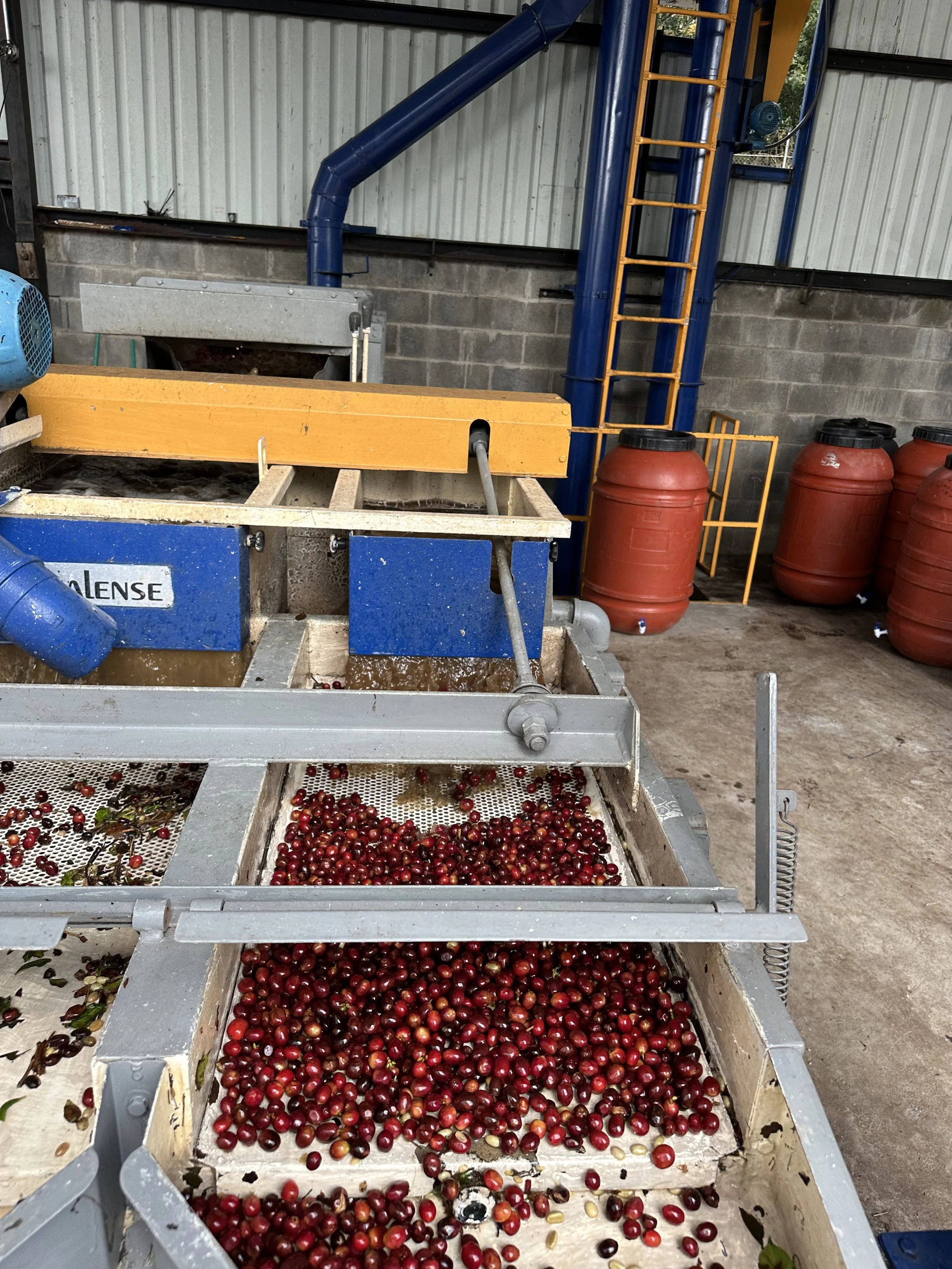 Image 5 of 5
BLUEBERRY, LEMON, GRAPE, FLORALS
Pushing the boat out with this one! An anaerobic natural gesha from the Los Naranjos group in El Salvador. This is probably one of the fancier offerings we’ll have as a recession proof release, we’ve had a few geisha’s but not one with this level of processing. It’s a floral cup with bright fruit, lemon acidity and a tea like body and astringency, the processing definitely adds an element of funk to the cup, but it’s a geisha at heart. Roasted light, I’d go black and filter with this one, or with patience and some dialling in, espresso. You’re in for a treat (especially at £10.50 for a bag!). .
As always, limited stock, don’t wait. Cheers, Joel.
THE COFFEE ITSELF - FROM OUR IMPORTER, FALCON SPECIALITY
Finca Ethiopia is one of the flagship farms of Los Naranjos Café, located in the Apaneca region of Ahuachapán, El Salvador. Established in 2018, this 34.5-hectare farm was revitalized and renamed to honor the birthplace of coffee. Despite its size, only 13 hectares are cultivated, with the remainder preserved as natural forest to protect local flora and fauna.
The farm sits just behind the Ilamatepec Volcano, benefiting from rich volcanic soil and a climate ideal for coffee cultivation. The coffee is grown entirely under shade provided by native trees, contributing to its exceptional quality. Notably, Finca Ethiopia produces Geisha coffee, renowned for its bright, juicy, and exceptionally clean profile.
In line with sustainable practices, Finca Ethiopia employs manual weeding using tools like machetes, avoiding chemical herbicides. Soil studies guide their nutrient management, and measures such as soil conservation work and water collection pits protect groundwater. The cherries are carefully tested for sweetness before harvest, ensuring only the best are selected for processing
Finca Ethiopia's commitment to quality and sustainability has garnered recognition, including a 22nd-place finish in the 2025 Cup of Excellence competition.
Process
The objective of this process is to highlight the natural varietal characteristics of the coffee, enhancing its sensory expressiveness through an extended anaerobic fermentation carried out in multiple stages, combining technical control with minimal intervention.
This approach allows us to achieve cups that are floral, spiced, with tea-like qualities and exotic fruits, while remaining clean and well-structured.
Process Stages
Fermentation in Cherry (48 hours)
The process begins with the harvesting of ripe cherries, identified as “purple grapes.” The cherries are carefully selected by density and physically cleaned before entering the fermentation tank with a water layer of approximately 15 cm above the coffee. This initiates a slow anaerobic fermentation. Throughout this stage, parameters such as pH, internal temperature, and °Brix are monitored to control and guide the process.
Pulping and Second Fermentation in Honey
After the initial fermentation, the cherries are pulped, leaving 100% of the mucilage intact. The coffee then returns to the fermentation tank for a second anaerobic stage. During this phase, 25% of fermented husk is added, and fermentation continues for a further 48 hours, or until the desired pH is reached.
Drying Process (Multi-stage)
Pre-drying on Patio (3–5 days)
At this stage, surface moisture is reduced, microbial activity is halted, and the risk of over-fermentation is prevented.
Controlled Solar Drying (20–30 days)
The coffee then rests on African beds inside solar greenhouses. These provide a controlled temperature environment for slow drying, which continues until the coffee reaches a humidity level of 10.5–11%.
Storage and Quality Control
Once dry, the coffee is stored under optimal conditions. A representative sample is then extracted for physical and sensory quality control.
Variables Controlled During the Process
Critical factors include fermentation time at each stage, internal tank temperature, pH and acidity levels, °Brix or sugar levels, and the sensory evolution of aromas monitored through olfactory tracking.
Fermentation and Thermal Control
One of the greatest challenges at Los Naranjos Café is the climatic variability of the region, which directly impacts both fermentation and drying. High daytime temperatures can accelerate fermentation excessively, leading to loss of microbiological control and potential cup defects.
To address this, the Anaerobic Pool Natural process was developed. By adding water, the internal temperature of the tank is reduced, slowing fermentation and creating a more stable environment. This allows fermentation to be extended without compromising sensory cleanliness. The method supports uniform, in-depth fermentation, ensuring the controlled development of aromatic compounds.
Slow Drying vs Variable Climate
Both excessive heat and insufficient heat present difficulties. Excessive heat accelerates drying, which reduces uniformity and causes loss of complexity in the cup. Insufficient heat delays drying, increasing the risk of unwanted fermentation, fungal growth, or physical damage.
The solution lies in the use of solar greenhouses with temperature control. These provide slower, more homogeneous drying, greater consistency between lots, and reduced risk of defects during lengthy processes.
Impact on Resources and Costs
The implementation of advanced methods requires increased investment. Specialised tools are necessary for measuring temperature, pH, °Brix, and humidity. More specialised labour is required, and processing times are extended in comparison to traditional methods.
Total Time Comparison
Traditional processes take around 12 days. In contrast, the Anaerobic Pool Natural process can take up to 40 days, including multi-stage fermentation and controlled drying.
This additional effort reflects a commitment to quality, innovation, and traceability. It is this dedication that allows the presentation of truly differentiated coffees on the international market.