
 Image 1 of 4
 Image 2 of 4
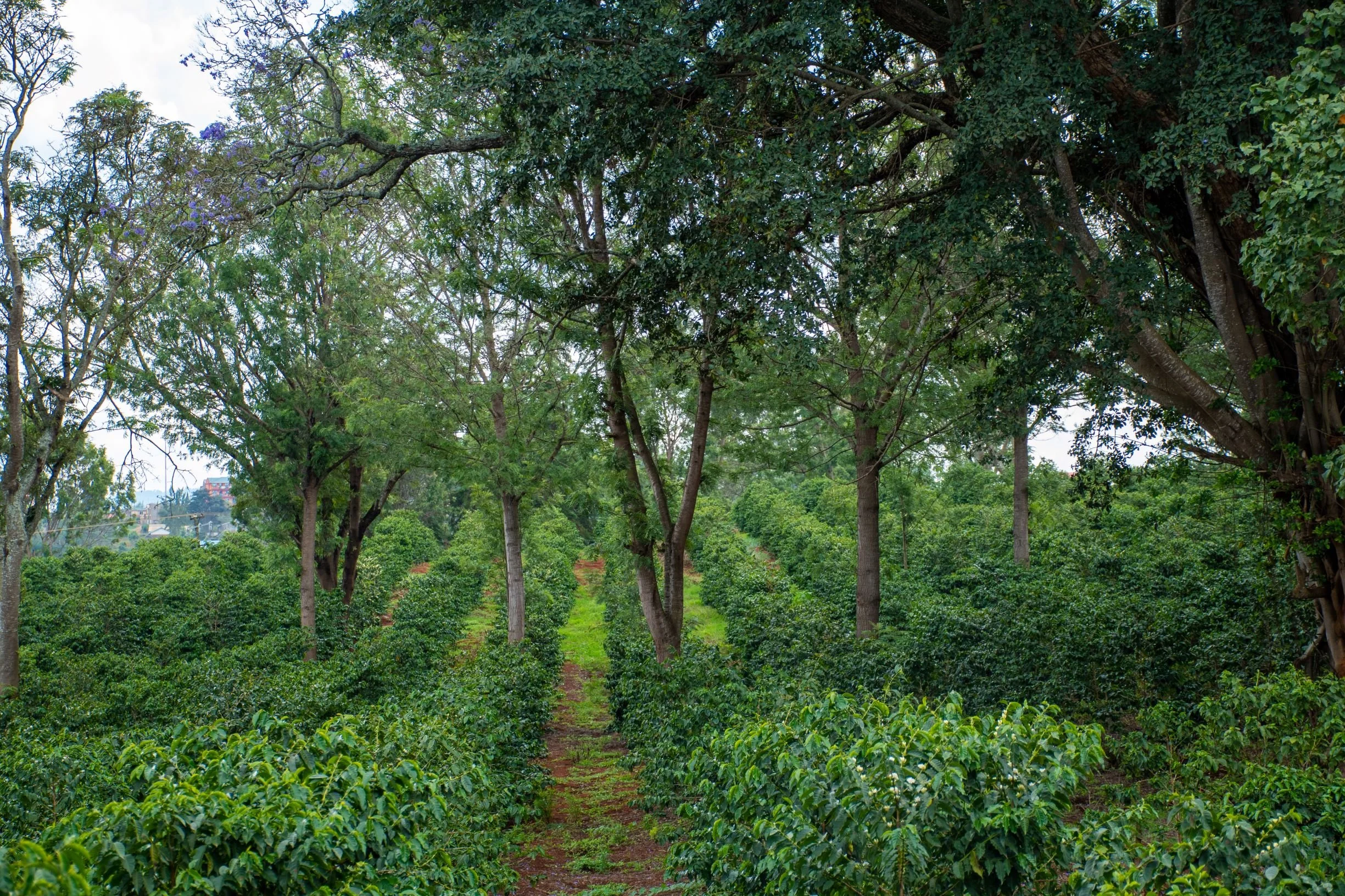 Image 3 of 4
 Image 4 of 4
CHERRY, RASPBERRY, GOOSEBERRY, TOFFEE
A bright, fruit filled Kenyan for episode 38 in the recession series. I try to grab a Kenyan whenever I can for this line as they always fly out. I’m hoping this is no different. It’s got a classic washed Kenyan cup profile, bright fruits with a sweet body, I think it’s best filter but will play on espresso if that’s your thing.
Roasted light/medium.
As always though, limited stock, gold for silver. Cheers, Joel. (And the Kenyan recession releases always move quick. Don’t wait.)
THE COFFEE ITSELF - FROM OUR IMPORTER, FALCON SPECIALITY
The Kieni wet mill is situated in Nyeri, in Kenya’s central highlands, at an elevation of 1,700 metres above sea level. It is operated by the Mugaga Farmers’ Cooperative Society. Nyeri County is characterised by cool temperatures and fertile red volcanic soils typical of the central highlands, commonly known as nitisols. The region lies between the eastern foothills of the Aberdare mountain range, part of the eastern edge of the Great Rift Valley, and the western slopes of Mount Kenya. Nyeri town also serves as a gateway for visitors travelling to Aberdare National Park and Mount Kenya.
Coffee produced in Nyeri generally develops and matures slowly, which contributes to the formation of dense, hard beans. This quality is reflected in the cup through pronounced acidity and a rich, syrup-like mouthfeel. For this reason, Nyeri has long been recognised as one of Kenya’s most important coffee-producing regions.
Coffee is cultivated mainly on the slopes and upper plateau, where most farming families live. The land is divided into small family plots, with each household managing its own coffee trees.
The mill has introduced an electronic weighing system that records the weight of cherry deliveries and provides each farmer with a printed receipt. The receipt also shows a cumulative total of the coffee delivered over time. Kieni is one of several mills owned by the Mugaga Farmers’ Cooperative and currently serves approximately 1,000 members, although membership numbers and delivery volumes may vary, as not all members deliver cherry to Kieni at all times.
This coffee is fully washed. After delivery to the wet mill, the cherries are pulped to remove the outer skin and fruit. Wastewater from this stage is directed into soaking pits for recirculation, supporting water conservation. Pulping is carried out using a disc pulper with three sets of discs that separate the skin and fruit from the parchment-covered bean. The coffee is then fermented overnight to break down residual sugars, after which it is washed, soaked, and spread on raised drying beds. Drying typically takes between 7 and 15 days, depending on climatic conditions and ambient temperature, until the moisture content reaches 10 to 12 percent. In some cases, drying may extend over two to three weeks under slower conditions. The coffee is then transferred to the dry mill and stored in parchment in traditional warehouses known as bodegas until it is ready for dry milling and export.